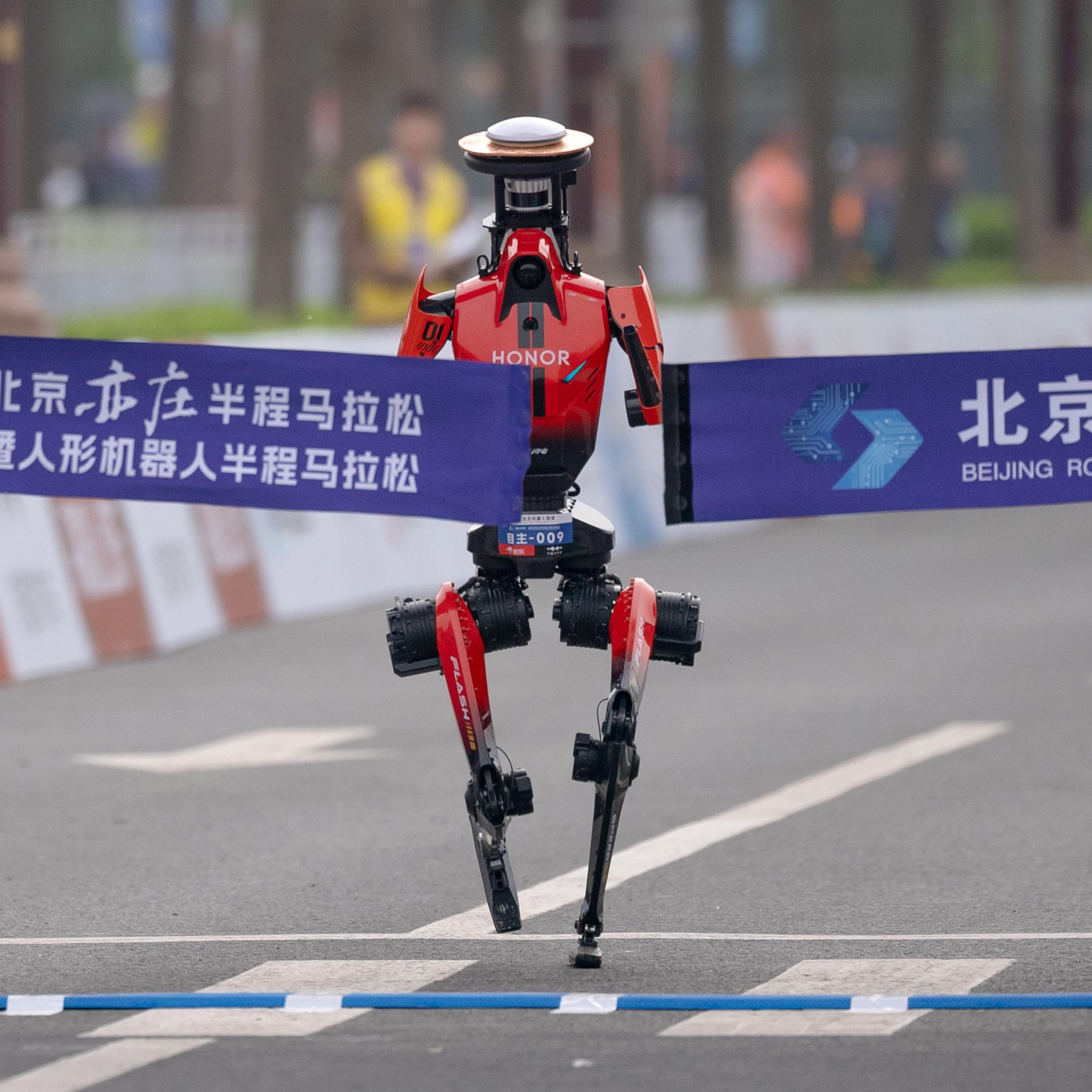
Are robots nearing their ChatGPT moment?

Loading player...
Last month at Beijing’s half marathon, a robot named Lightning beat the human world record by nearly seven minutes. It’s the latest in a string of AI-powered milestones that have got people wondering whether robots are about to enter our everyday lives, just as chatbots have. And the country leading the charge is China, where the government has pledged to invest more than £100bn in robotics over the next 20 years. To find out how robots are already entering the workforce, and what needs to happen to get them cleaning our homes and weeding our gardens, Ian Sample hears from the Guardian’s senior China correspondent, Amy Hawkins, and from Nathan Lepora, professor of robotics and AI at Bristol University, who researches how robots can achieve human-like dexterity. Help support our independent journalism at theguardian.com/sciencepod
28 May English United Kingdom Science · Nature

Other recent episodes

The week that changed maths for ever

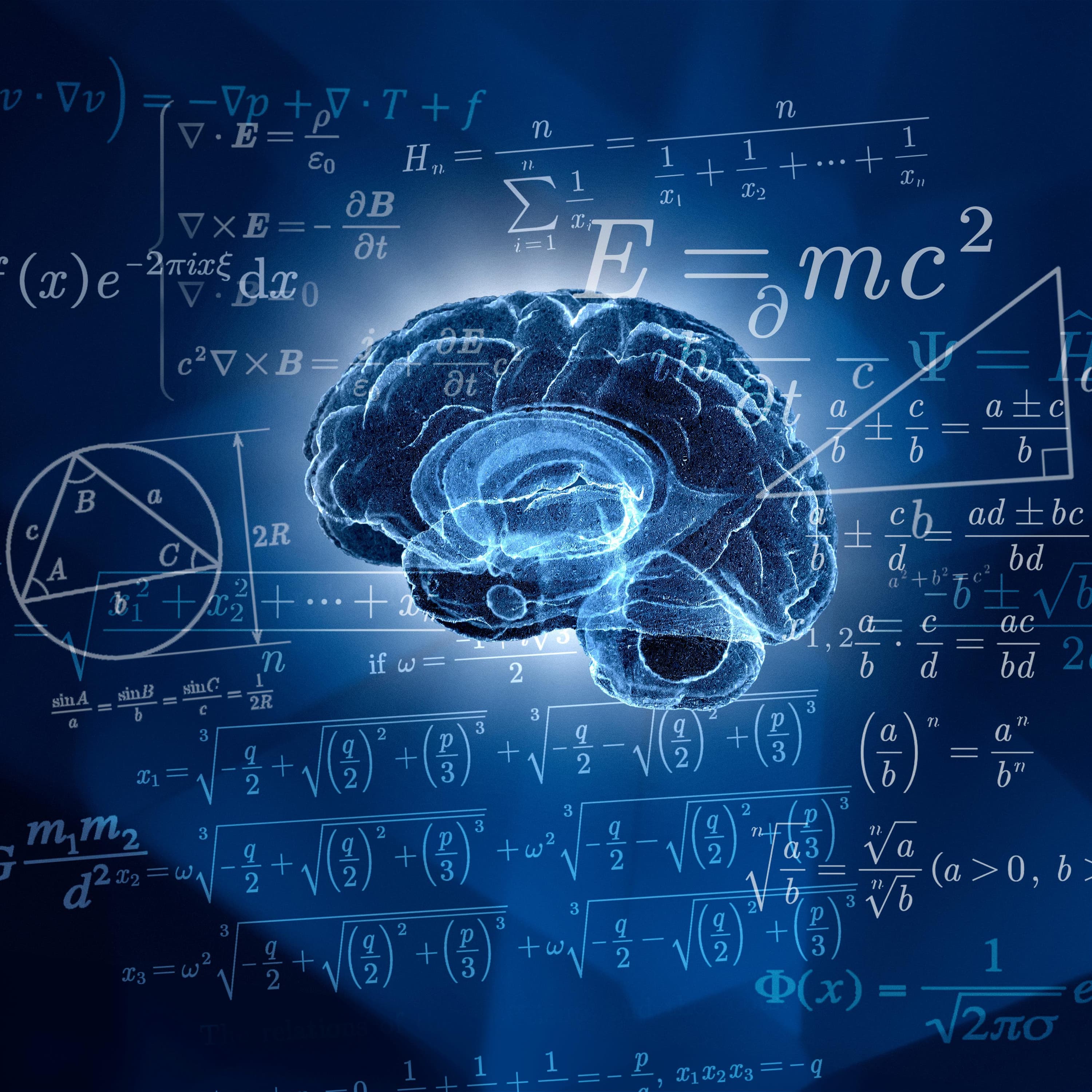
In early September, OpenAI announced it had solved a major mathematics problem that has stumped humans for nearly a century. The news left mathematicians reeling, and many expressed concern over what will be left for humans as AI becomes ever more adept at unravelling complex problems. Now 25 recipients of…
17 Sep 15 min

Is collagen all hype?

Collagen powders, gummies and pills have boomed in popularity in recent years boosted by claims that they smooth wrinkles, promote glossy hair and help with joint pain. Amid the noise it can be hard to figure out whether there’s any actual science behind the promise of looking younger for longer…
15 Sep 18 min

Live episode: how AI is reshaping our minds

In this episode of Science Weekly, recorded in front of an audience at the London podcast festival on 3 September, Ian Sample hears from Michael Safi, the host of the Guardian’s chart-topping podcast about artificial intelligence, Black Box. In series two, Black Box: the chatbots, Michael meets people who have…
13 Sep 1 hr 22 min

Are rich people really worse behaved? Here’s the science

Who’s more likely to steal sweets from a child? According to science, it’s the rich. A study seemingly confirming our suspicions about the moral behaviour of the wealthy was one of the winners of the 2026 Ig Nobel prizes, which honour research that makes you laugh and then think. Science…
8 Sep 18 min